
The Buddha – Hermann Hesse and Contributors
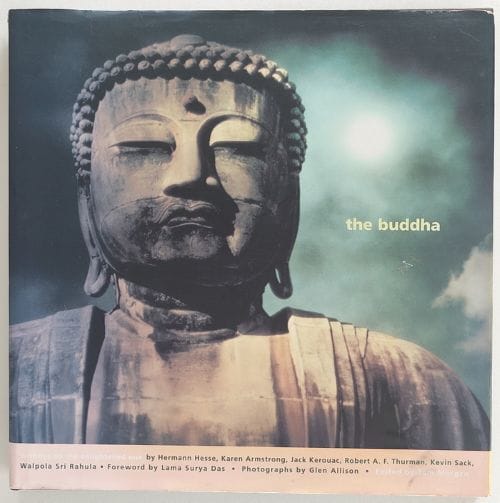
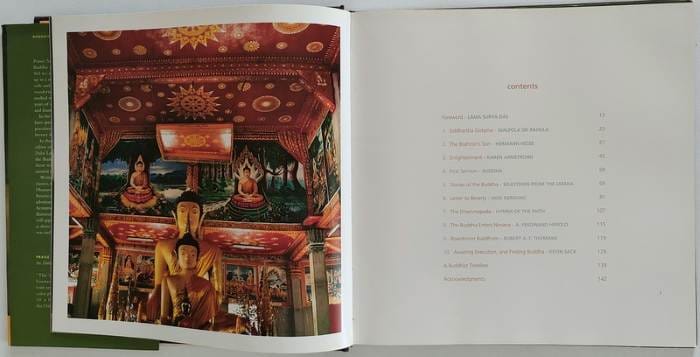
The Buddha by Hermann Hesse (along with various contributors) is not a single novel like his famous Siddhartha, but rather a curated anthology and scholarly exploration of the life, philosophy, and enduring influence of Gautama Buddha.
This volume is particularly valued for its “multi-lens” approach, combining literary beauty with historical and philosophical analysis.
Core Elements of the Volume
Hesse’s Literary Vision: The book often features Hesse’s personal essays, reflections, and excerpts that highlight his lifelong fascination with Eastern spirituality and the concept of the “individual’s journey” toward enlightenment.
Diverse Perspectives: By including various contributors (often scholars, theologians, or historians), the book provides a balanced view that contrasts the mythological Buddha with the historical figure and his actual teachings (Dharma).
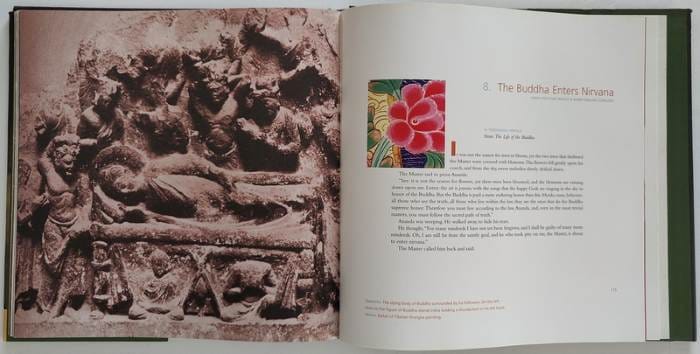
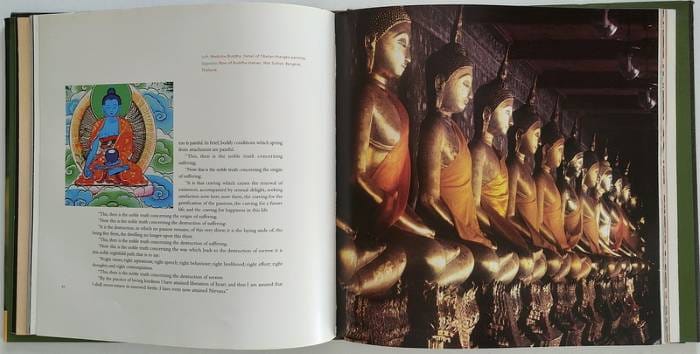
Thematic Depth: It explores key Buddhist concepts such as the Four Noble Truths, the Eightfold Path, and Nirvana, but does so through a narrative style that is more engaging than a standard textbook.
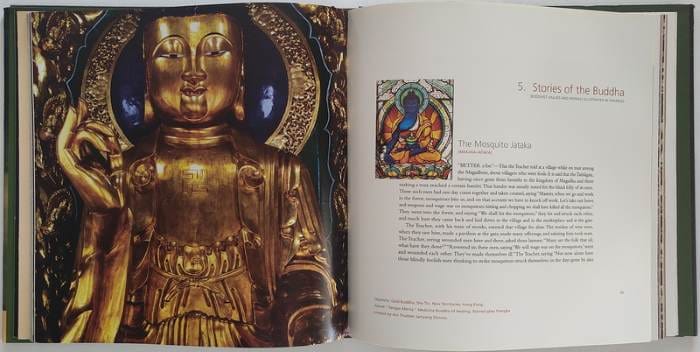
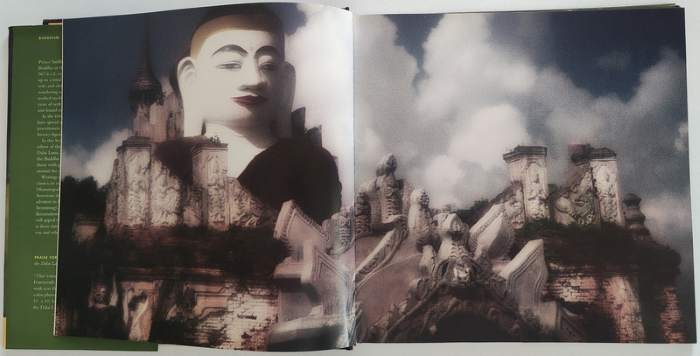
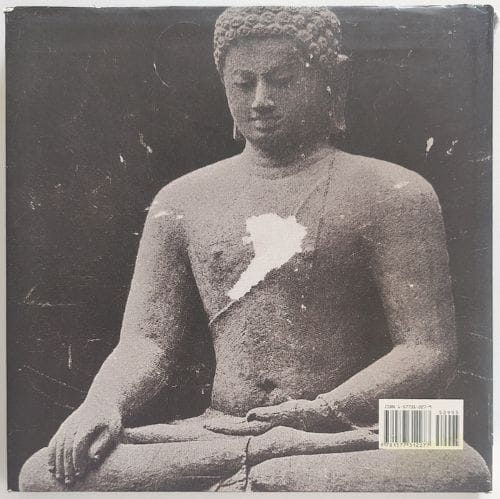
Artistic Influence: Many editions include discussions or visual references to how the image of the Buddha has been portrayed in art and literature across different cultures—a topic that aligns perfectly with a deep appreciation for Southeast Asian iconography.


